Early and interceptive orthodontics for children in Leamington Spa
If you have noticed crowded teeth, a stubborn thumb-sucking habit, or a bite that does not look quite right, it is natural to wonder whether your child needs braces yet. The reassuring news is that childhood opens a window where gentle, well-timed steps can guide the way the jaws and teeth grow, something that becomes much harder once growth has finished.
Early and interceptive orthodontics is about working with that growth, and often it simply means keeping a friendly eye on things until the right moment. This page explains what it is, why timing matters, and how our team can help.

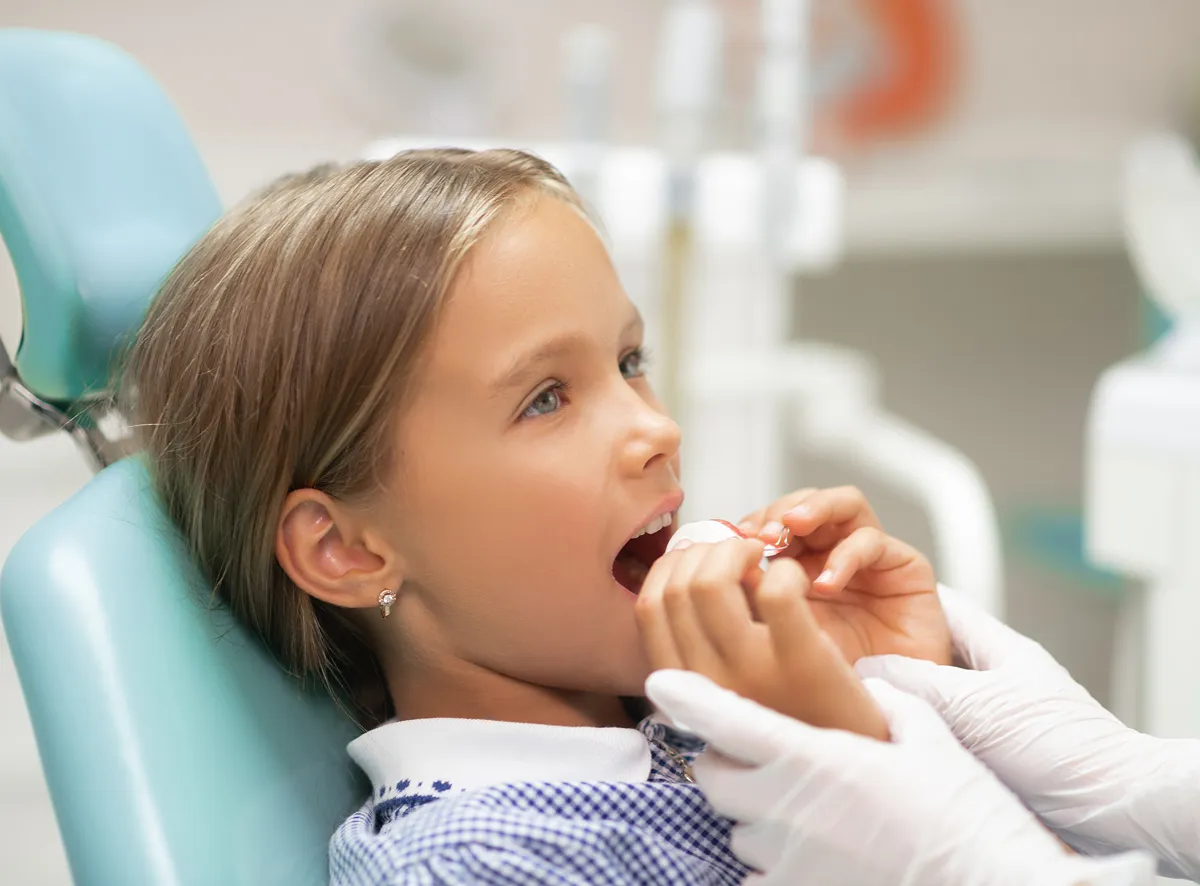
What is interceptive orthodontics?
Interceptive orthodontics is early treatment that steps in to guide a developing bite while your child is still growing, usually between the ages of seven and ten when baby and adult teeth are both present. Acting at this stage can make a problem smaller, simpler, or sometimes unnecessary to treat later.
It is also why a first orthodontic check is recommended at around age seven - not to rush into braces, but to see how the bite is forming while there is still plenty of growth to work with. It is one part of the wider range of teeth straightening options we offer at The Grove Practice.
How does early treatment work in Warwickshire?
Early treatment is usually gentle, focused, and shorter than a full course of braces. Depending on your child, it tends to follow one of three paths:


What can early treatment help with?

What treatment options are there for children at The Grove Practice?
We will only recommend the option that suits your child, and sometimes a combination works best. The choices generally include:
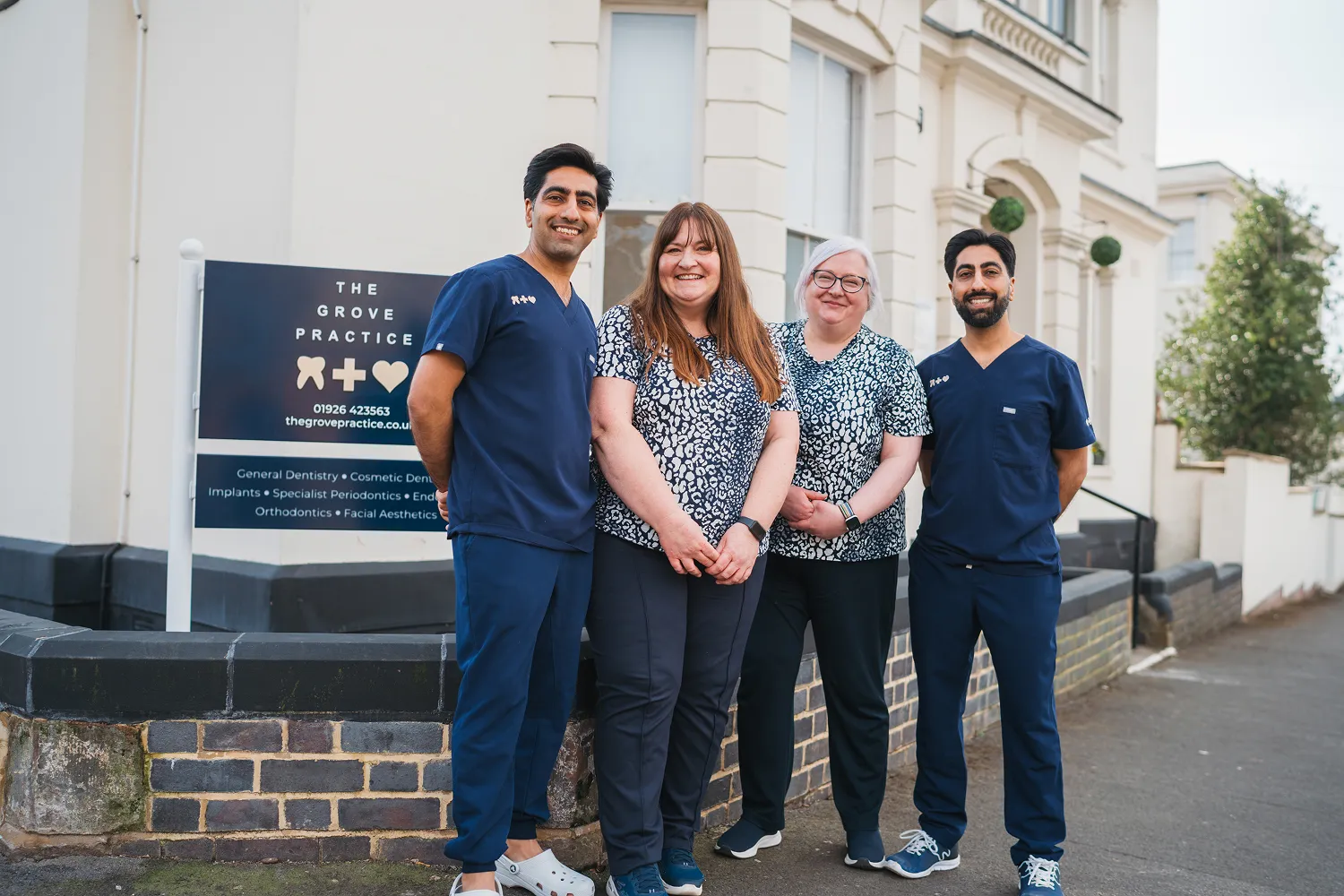
Why choose The Grove Practice in Leamington Spa?
Frequently asked questions about children’s orthodontics
At what age should my child first be seen?
Around the age of seven is the recommended time for a first orthodontic check, even if no treatment is needed yet. By then, enough adult teeth have usually come through to show how the bite is developing, while there is still plenty of growth to guide. If your child is already older, it is never too late to have them assessed.
Will early treatment hurt my child?
Most children find early appliances very manageable. There may be some mild tenderness for a few days after an appliance is fitted or adjusted, much like the feeling of teeth gradually shifting, and this settles quickly. We choose the gentlest suitable option and explain everything beforehand, so your child knows what to expect.
My child is on an NHS waiting list. Is it worth seeing you privately?
NHS waiting lists for children’s orthodontics can run to two or three years, and timing really matters when you are working with a child’s growth. A private assessment lets you understand your child’s options sooner and decide what is right for your family. If your child is suitable for NHS treatment and you would prefer that route, we are happy to refer you.
Does early treatment mean my child will avoid braces later?
Sometimes, but not always. For some children it removes the need for any further work; for others it makes a later phase shorter and simpler. We will always be honest about what is likely, so you can plan ahead with confidence.